


Focusing on creativity with forward-thinking, as well as classic style, 2025 is going to give a total make-over look to fashion; that is the merge of sustainability and sophistication while dressing either for a casual outing or evening at a high-glamor event.
Look for bright, rich colors, sleek, minimalist lines, and works that highlight functionality, where comfort meets fashion. Designers are looking at designs that support a multitude of lifestyles and needs while addressing the need for multifunctionality.
This all-encompassing perspective from Daily Fashion Forward provides a glimpse into the complex forces that will define the future of fashion. Stay tuned to these trends to see what’s on the horizon next!
What is Driving Fashion in 2025?
In 2025, the fashion world is shifting from the “clean girl” aesthetic to bold, experimental styles. Graphic prints and cotton candy colors are trending, adding fun to everyday outfits. Marc Jacobs’s fall 2024 collection featured surreal accessories that merge art with fashion, while the Y3K aesthetic introduced shiny metallics for a futuristic feel.
The cherry girl aesthetic is gaining popularity, featuring fun designs in soft pinks and sequins. This shift prompts shoppers to look for unique, timeless items rather than fleeting trends. Influencers are promoting capsule wardrobes and moving away from fast fashion, while abstract fashion is influencing trends. Learn more about the fashion landscape in 2025 from Daily Fashion Forward.
Emerging Fashion Trends for 2025
As 2025 enters, new and exciting fashion trends will change the game with bold and innovative styles. Sustainable designs to futuristic aesthetics are what these emerging trends will make the year.
1. Bold Colors and Patterns
 2025 will be a year of attention-grabbing, colorful prints and patterns. Turquoise is going to be a great color this summer! It’s forecasted to have a huge 8% surge in popularity, emerging as the ultimate essential in closets nationwide.
Prepare yourselves to see all the bold colors! You’ll be dazzled by show-stopping prints, from the most over-the-top florals to geometrics to mermaid trend sequins and iridescence. Bold colors and patterns will be a major theme in streetwear and corporate attire alike.
Look for these fishtail maxi dresses and strapless looks to take the spotlight this next warm weather season.
2. Minimalist and Timeless Designs
Though Bold is shaking up the scene, minimalism, and timeless classics are just as much establishing themselves into 2025. Imagine strapless dresses with exquisite lines, brought back to life with new surfaces such as matte satin or gentle crepe.
Denim-on-denim is still going strong, marrying the easiest look with a little bit of edge. This emerging fashion trend emphasizes durability and versatility so that pieces can be mixed or matched with ease.
3. Functional and Comfortable Clothing
Style meets practicality in an era where functional clothing is all the rage. That means sporty aesthetics from the ‘70s, ‘80s, and ‘90s are on their way back in!
Welcome to relaxed track pants, oversized hoodies, and sneakers becoming the new business casual. Gender-neutral flip flops with denim are beginning to take hold too, especially throughout Europe.
4. Gender-Neutral Fashion Styles
As genderless fashion continues to break into everyday culture, it’s providing consumers with neutral tones and versatile fits. From oversized blazers to fluid trousers, these pieces are intentionally made with comfort, inclusivity, and versatility in mind.
5. Revival of Vintage Aesthetics
The ’80s aesthetic is having quite a moment! Fairy looks and Boho styles combine effortlessly with draped “goddess” dresses, flowing fabrics, and fabulous gold accents.
Consumer Preferences Shaping Fashion
Consumer preferences will be a vital determinant of where the fashion industry heads in 2025. Growing concerns over sustainability and customization will define new directions. A growing desire by consumers for greater ethics and individuality in options will challenge companies to respond appropriately.
Demand for Ethical Fashion Choices
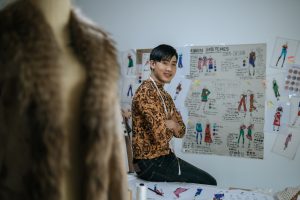 Consumer preferences are changing the fashion industry. Consumers increasingly are interested in the making of clothing, by whom the clothes are being made. Heightened public concerns about environmental degradation and social effects resulting from the fast fashion style of production have changed the consumption expectations to have sustainable fashion production and fair compensation practices that facilitate and guarantee reasonable wages.
Examples include Patagonia’s “Worn Wear” initiative, which encourages customers to buy second-hand or repaired clothing, while sustainability, by 2025, will be the reason businesses remain viable in a market where younger consumers, from Gen Z and others, are demanding that business change.
Rise of Customization and Personalization
Today’s fashion experience is more personal than ever. AI and machine learning give brands the power to examine shopping behaviors. As a result, they can deliver highly personalized experiences tailored to an individual customer’s desires.
Stay tuned for a tsunami of personalization by 2025! From trendy jacket recommendations to custom sneakers made to your specifications, brands can’t wait to personalize to your individual preferences.
Creators on platforms such as TikTok are fueling this movement. They model their styles and empower their millions of followers to practice self-expression. Nobody wants to look like everyone else, and tailor-made choices are creating the opportunity for people to be unique.
Preference for Versatile Wardrobe Pieces
Wardrobe decluttering is a booming trend. Consumers desire multi-functional garments that they can wear in various ways. For example, a blazer that works in the office and out to dinner with friends would qualify.
This trend is a natural extension of the greater trend toward prioritizing experiences over things, especially when travel and other experiences are still a priority spending category. Versatility can further sustainable lifestyles as fewer, more versatile items are needed to assemble a functional wardrobe.
Brands are answering with intentionally timeless designs that can go from boardroom to bar, making fashion more versatile and sustainable.
Challenges in the Fashion Industry for 2025
The fashion industry of 2025 will be under immense pressure- beginning with the need to reconcile sustainability with profitability. In a marketplace where the trends are changing faster and the expectations from the consumers are changing more rapidly, innovating and adapting speedily is essential for brands to stay relevant in an increasingly competitive marketplace.
Balancing Sustainability with Profitability
The drive towards sustainability still aims to upend business as usual. Ecodesign for Sustainable Products Regulation and the global Extended Producer Responsibility program are pushing companies to reconsider how they produce goods. They are encouraging companies to take more accountability for their surplus inventory.
These changes certainly carry additional costs, and finding ways to marry them with profitability is still a daunting task. Whether it’s developing new eco-friendly materials or recycling unsold inventory, initiatives that need to take place are hugely cost-intensive.
Additionally, smaller brands might find it harder to remain competitive under these conditions without absorbing these additional costs. The truth is that ignoring sustainability is no longer an option, as consumers are more and more attracted to brands that care about the planet.
Adapting to Rapidly Changing Consumer Demands
Consumer preferences in fashion are changing more quickly than ever thanks to the introduction of micro-trends. Popular styles can skyrocket in demand by as much as 300% over just a few months, forcing brands into a never-ending scramble to catch up.
Social media platforms, especially TikTok, are a huge part of this cycle. That’s a tricky balancing act, though—for example, one viral TikTok can make demand for any given item skyrocket, then drop off weeks later.
Compounding this challenge, 82% of shoppers would welcome AI recommendations to help them make faster buying decisions. Brands need to use technology to get ahead of the curve and anticipate the trend. Simultaneously, they need to address the increasing consumer demand for tailored shopping experiences.
Managing Supply Chain Complexities
Supply chain constraints remain one of the significant challenges since the costs have gone up with the rise in tariffs and increased regulations. Simultaneously, manufacturers are cutting down their inventory to avoid overstocking, thus creating a supply-demand mismatch.
Brands are losing an average of 20% per month with their stock, purchasing the wrong sizes because of the wrong size data. Better logistics management and forecasting tools are essential for getting at many of these inefficiencies.
Defining Fashion in 2025
Fashion in 2025 will be bold and connected to people’s needs, blending art and practicality. Trends are evolving quickly due to technology, sustainability, and changing consumer priorities. Brands that adapt will offer innovative and inspiring designs.
To stay ahead, whether you’re shopping or shaping the industry, keep exploring and be open to new ideas. The future of style is exciting and accessible, so join Daily Fashion Forward and thrive as you embrace what’s next.
